BENBIZ STORE · WHERE WORK, KNOWLEDGE AND NEED MEET
Choosing a product and getting to know its maker.
You may want to know how a product is made, who teaches a course or who provides a service. BenBiz Store invites you to get to know the person behind what you’re looking for.
Products
Learning
Services
Shared work
You can start by browsing the product and maker listings in the catalogue and seeing how the market is taking shape.
Independent address · Opens in a new tab · No account needed to browse
A living market · Products, knowledge, work and need meet in the same courtyard.
MORE THAN A TRANSACTION
A maker’s livelihood also affects whether their work can continue.
Behind a product or service are someone’s time, knowledge and working conditions. The person providing it needs to sustain their work; the person looking for it wants to know what meets their need, who offers it and on what terms.
01
You know how to farm; you are looking for land to cultivate.
Someone may need help cultivating their land while someone elsewhere knows how to farm but has no place to work. We want them to be able to find each other and discuss land, water, tools, housing, income and responsibilities together.
02
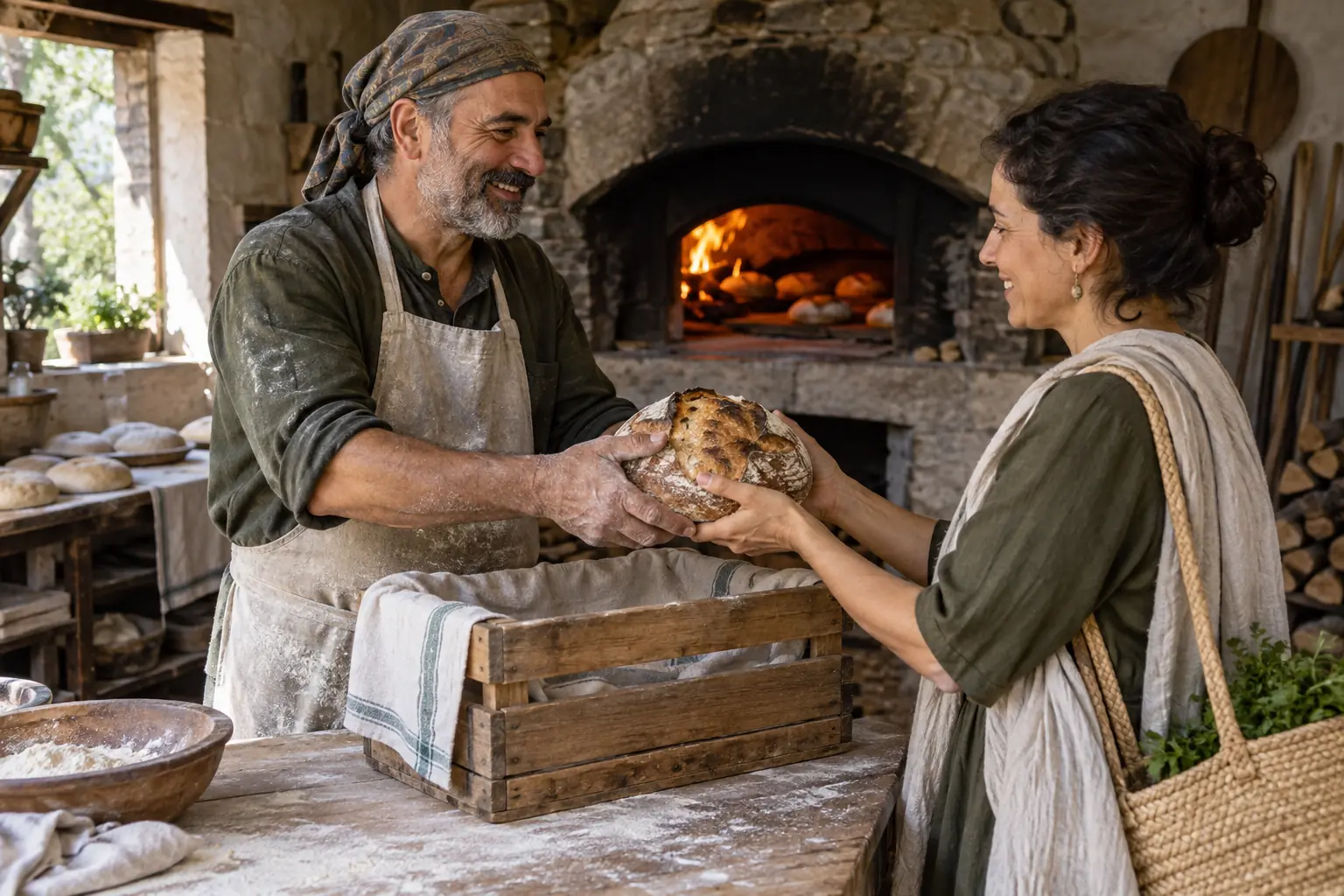
You bake bread; your livelihood depends on that work.
Doing your work well may not be enough; you also need regular buyers and a way to cover costs. Someone looking for bread wants to know how it is made. Getting to know each other helps both people discuss what would allow the work to continue.
03
Your sewing machine has broken; you don’t know where to take it.
There may be someone nearby who can repair it, but neither of you knows about the other. A place to meet helps the person seeking a service and the person offering it discuss the work, timing and terms.
04
You want to teach someone the work you know.
Knowledge you use in your everyday work may be something another person wants to learn. Getting to know each other helps the teacher and learner discuss the content, timing and expectations from the start.
We’re building BenBiz Store as a place where these needs and resources can find each other. When people get to know who makes or offers what they need, it becomes easier to discuss how that work can continue.
The images are illustrative scenes created to show these different encounters.
SHARED PRODUCTION · FOUR FRAMES
An idea becomes a shared product through the hands that complete it.
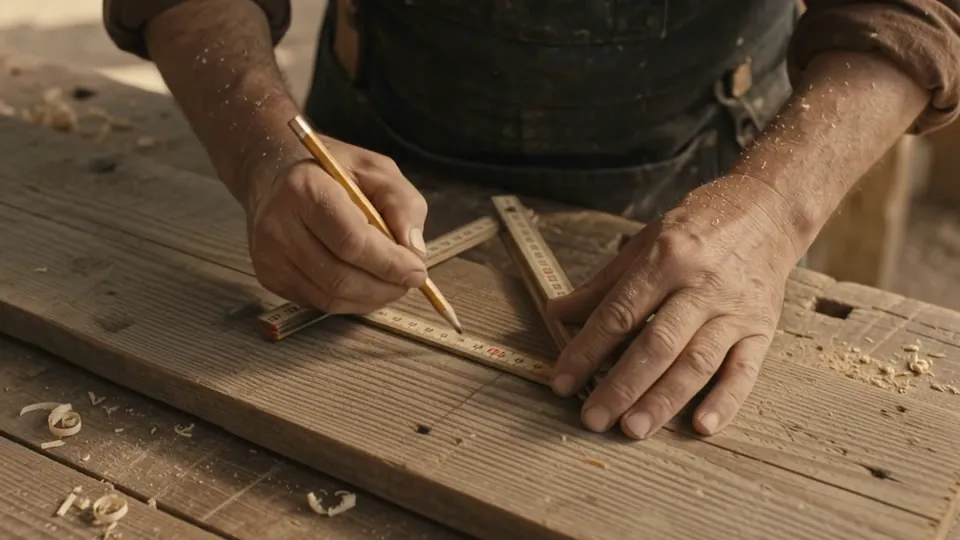
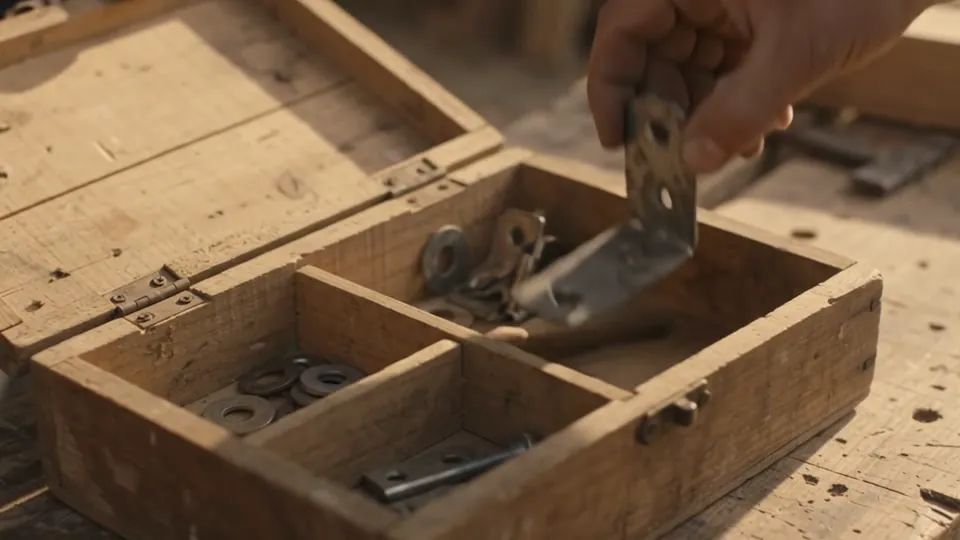
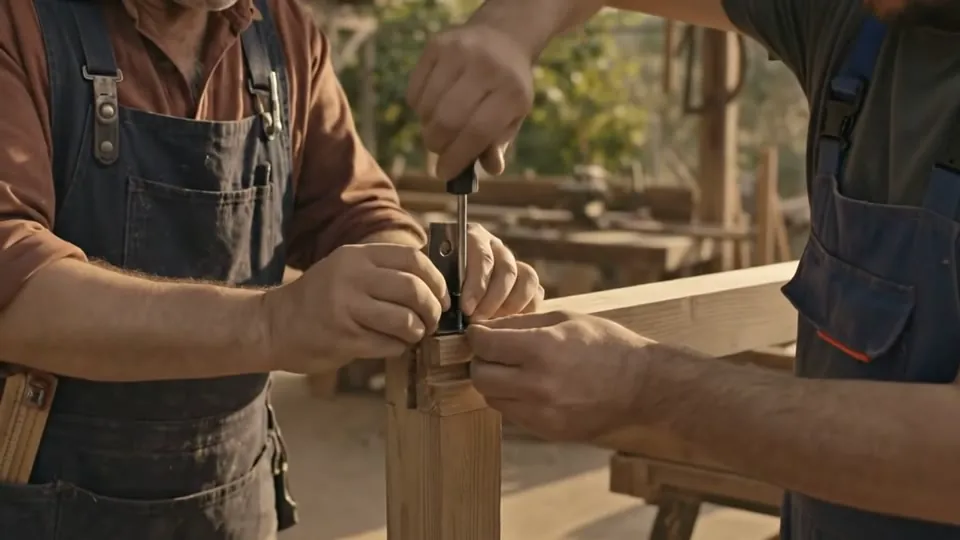
An idea that starts with a need can grow through different people’s knowledge, tools and work. These four frames show a path from the first sketch to making something together.
01Open the ideaShare a sketch or a short explanation of your idea. Other people’s questions can help clarify what you want to make together.02Make the measure clearLook at the materials, measurements and tools you have. Decide what can be made under those conditions.03Find what completes itA part, some knowledge or a skill may be missing. Work out together who could provide what is needed.04Build togetherBring the agreed tasks together and try out what you’ve made. Keep each person’s contribution visible.
Representative visualisationThese frames were selected from the Flow manifesto archive. They do not document a real BenBiz Store product, an operating workshop or a completed production process.
GET TO KNOW A MAKER · STRAWDERI
Mert Başbuğ · learning by making, sharing what you learn.
Experiments to make a leather backpack as a gift became Strawderi. Mert now makes wallets, pen cases, notebooks and bags, while his workshops help others discover what they can create with their own hands. Developing his craft and sharing what he learns makes him a valuable role model for BenBiz.
Sales, orders and payments are closed on BenBiz. Product photographs and names open their original Strawderi pages, where visitors may complete a purchase if they wish.
THE MARKET IS SHAPED BY THE QUALITY OF OUR RELATIONSHIPS
What do makers, people looking for something and BenBiz take on?
For a meeting to go well, people need to understand what is offered, what is needed and which terms they can agree on. Makers, people seeking something and BenBiz each help make this clear.
The maker
Explains their work and terms.
They share what they make and how, the materials and time involved, and the work they can take on. The person looking for something can then get to know the work and conditions behind the product too.
The person seeking something
Shares their needs and expectations.
They explain what they need, when they need it and which features matter to them. Considering the maker’s conditions helps them choose what suits them; sharing their experience can also help the work improve.
BenBiz
Helps people meet and find information.
It brings together the maker’s story, their work and the terms they share. It helps people reach the source and the person involved, while keeping the work and responsibilities visible.
The maker’s ability to continue their work and the other person’s ability to meet a need are connected. Considering each other’s work and conditions helps this meeting benefit both people.
Talking about materials, timing, what is exchanged and responsibilities from the start is part of this relationship too.
BENBIZ EXCHANGE · NEEDS AND CONTRIBUTIONS
Meet a need with something you can offer.
You may need an item, some help or a place to work. An item you own, a skill or a space you can share may meet someone else’s need. Through exchange, you can discuss these possibilities and agree on terms that suit you both.
01
Product ↔ product
An unused item could help you find what you need.
You might offer a sturdy desk you no longer use in exchange for a bookcase you need. Make each item’s condition, measurements and handover arrangements clear to both people.
02
Product ↔ service
Design work in exchange for a bookcase.
You need a bookcase and can offer to design a poster. If its owner needs that work, you can discuss the design, timing and delivery together.
03
Space ↔ contribution
An empty workshop could make room for a day’s work.
You could open your workshop for a learning session on a particular day and ask for product photography in return. Agree on the hours, facilities and each person’s responsibilities beforehand.
04
Mixed contribution
An offer can bring different contributions together.
For a repair job, you might offer materials you have along with some money. Money can be part of a mixed contribution both people accept; paying only money for something is a purchase.
These examples explain the idea; they are not completed agreements or published member listings.
Before accepting, agree on what each person will provide, when it will happen and the delivery or use conditions. Both people decide whether the contributions suit their needs.
OPENNESS PROTECTS GOOD INTENT
Information to consider when assessing a product or service.
When buying bread, we want to know its ingredients; when joining a course, who will teach and what it covers; when seeking a service, its scope and who is responsible. We want this information to be clear at BenBiz Store. The same standards apply to people joining from inside or outside a circle; being close to BenBiz is not a certificate of trust on its own.
Looking at materials and workmanship together can make it easier to discuss questions. Illustrative scene.
01
Materials, source and production methods
You can ask about the ingredients in bread, a bag’s materials or what a course covers. The person making or offering it should explain its source and how they work. If words such as ‘natural’, ‘organic’ or ‘handmade’ are used, their basis should also be clear.
02
How is the price or exchange agreed?
Materials, work, time and delivery costs can affect the price. Discuss what is included and whether there are any extra costs beforehand. In an exchange, consider the basis of the listing owner’s reference value; both people agree on what they will give and receive.
03
Whose account is this, and what supports it?
‘The maker says so’ and ‘there is a document showing this’ are different kinds of information. If a photograph, explanation, document or shared experience is available, its source should be visible. Unverified information should not be presented as certain, and there should be a way to correct missing or mistaken details.
04
Who handles delivery, support or returns?
You want to know the delivery date, who is doing the work and whom to contact if a problem arises. A seller’s delivery and return terms, changes to a course, and how unfinished service work will be handled should be clear. The responsible person and contact route should be visible before you decide.
Discussing this information beforehand helps us take care of both the maker’s work and the expectations of the person seeking something.
A catalogue listing does not mean all these checks have been completed. When considering a listing, look at the sources of the information and the terms stated by the person offering it.
Where could you start contributing to the market?
You might help tell a maker’s story, make product information clearer, or support photography and promotion. Perhaps you have noticed something missing or have another idea. In Places to Build Together, you can explore preparations for the market and any open calls. Before starting a task, let’s discuss its scope, the time you can offer and any compensation.
Explore the market; start with a product or story that interests you.
Take a look at product descriptions and source links, or read a maker’s story. Knowing who offers something, the work behind it and the terms they share can help you decide what suits you.
Sales, orders and payments are closed on BenBiz. Strawderi product photographs and names open their original product pages.
Explore the marketIndependent address · Opens in a new tab · No account needed to browse